Valeriy Sukhomlyniv
Year of birth: 1954
City of birth: Truskavets, Ukraine
Origin: Paternal line – Bulgarian Dzhambazi Roma (Arlii), maternal line – Ukrainian
Education: Higher education
Main areas of activity: preservation of historical memory (documenting the genocide), research of the Romani language, history, and folklore, educational activities.
Key contribution: co-founder of one of the first Roma societies in Kyiv, “Romanipe” (1991); the first interviewer in Ukraine for Steven Spielberg’s Shoah Foundation, who systematically recorded video testimonies of Roma genocide survivors, including in the Romani language; one of the ideologists and active participants in the creation and installation of the monument to the Roma murdered at Babyn Yar; author of a Romani language textbook.
Impact: made an invaluable contribution to the preservation of the oral history of the Roma genocide by recording the voices of eyewitnesses for future generations; stood at the origins of the Kyiv branch of the Roma movement, laying its intellectual and historical foundation; through his activities to commemorate the victims of Babyn Yar, he became a symbol of the struggle for the recognition of the Roma genocide at the state level.
“…the main task was the enlightenment of both the surrounding population and the Roma themselves. Many did not know their past, did not know that the Roma are one of the most ancient nations in the world.”
“Of course, it is necessary to remember, to pass it on to the youth, and those families where this is done are doing the right thing… because the further the old people pass away, the fewer people there are to ask, to learn all this from.”
Media
Biographical Information
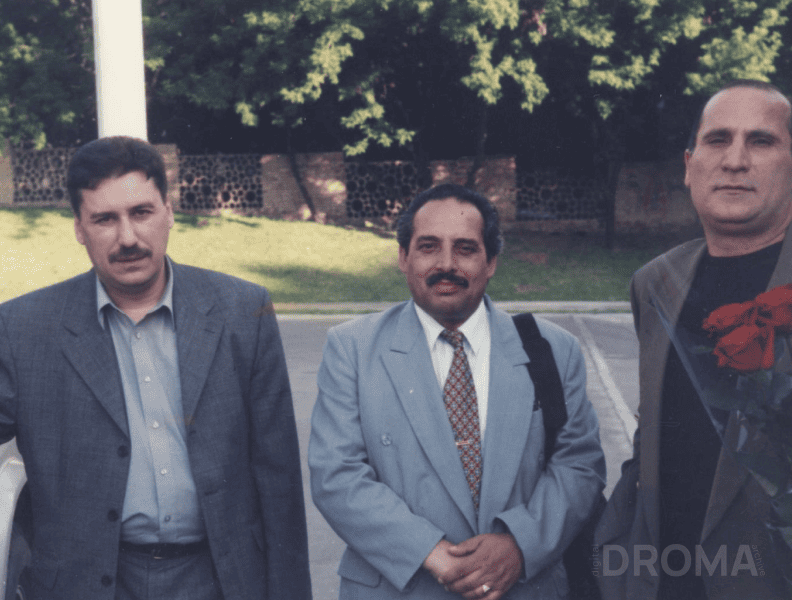
Valeriy Sukhomlyniv is one of the founders and ideologists of the modern Roma civil society movement in Kyiv, a researcher, folklorist, and the first interviewer in Ukraine to systematically document on video the testimonies of Roma who survived the genocide.
Early Years and Upbringing
Valeriy was born in Truskavets to an international family: his mother was a Ukrainian from a Kyiv family, a notary by profession; his father was a Rom from the Bulgarian Dzhambazi group (Arlii), a talented musician and cultural organizer. His parents separated when he was one and a half years old, and he stayed with his mother. According to him, his mother’s constant reproaches about his “gypsy” behavior paradoxically prompted him to deeply study his Roma identity.
He became interested in the Romani language and culture by communicating with Roma of different ethnic groups in his surroundings and while working in the Roma ensemble “Romen.” It was then that he began keeping his own records, documenting dialects and folklore, which laid the foundation for his future research work.
Becoming a Public Figure
During the wave of national revival in the first years of Ukraine’s independence, Valeriy Sukhomlyniv, along with Volodymyr Zolotarenko, poet Mykhailo Kazymyrenko, and Mykola Hryshchenko, co-founded one of the first Roma societies in Kyiv — “Romanipe” in 1991. He became the deputy head and chief ideologist of the organization, directing its activities towards education, historical research, and combating stereotypes.
Activities and Contributions
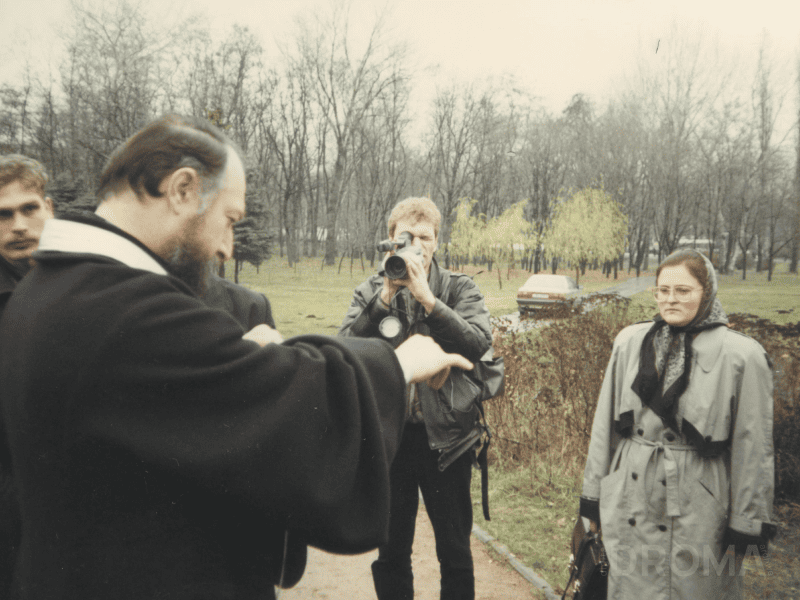
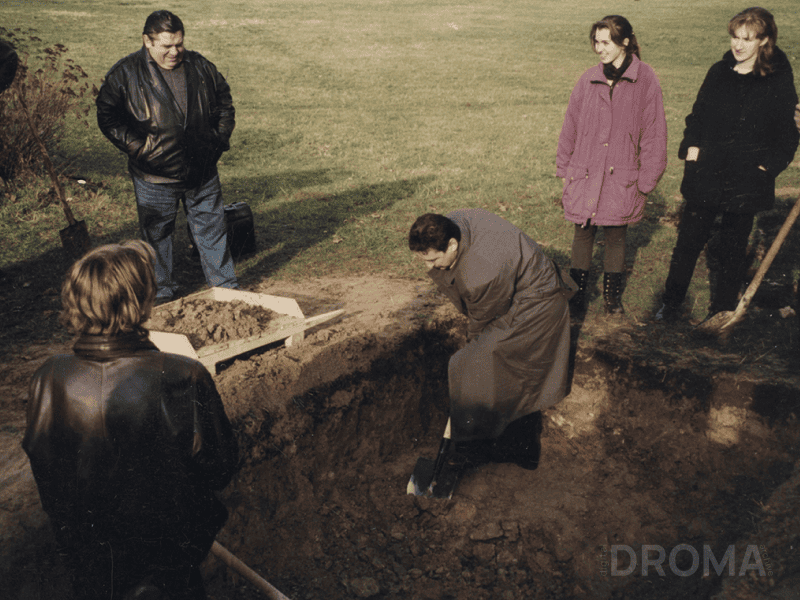
A key area of Valeriy Sukhomlyniv’s work was the preservation of the memory of the Roma genocide. When the team from the Shoah Foundation, founded by Steven Spielberg, came to Ukraine, he became one of the first and most active interviewers to record video testimonies of Roma who survived the Holocaust. This work not only preserved unique oral histories but also provided a documentary basis for recognizing the tragedy of the Roma people.
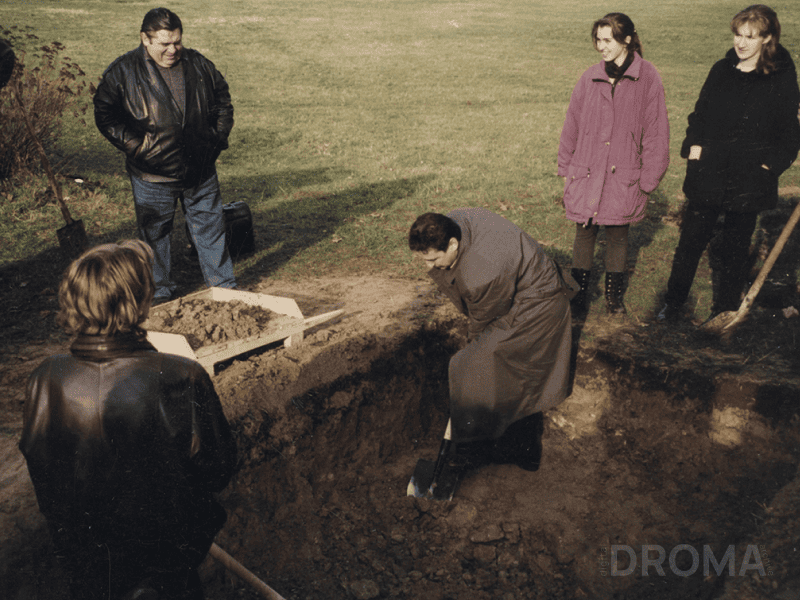
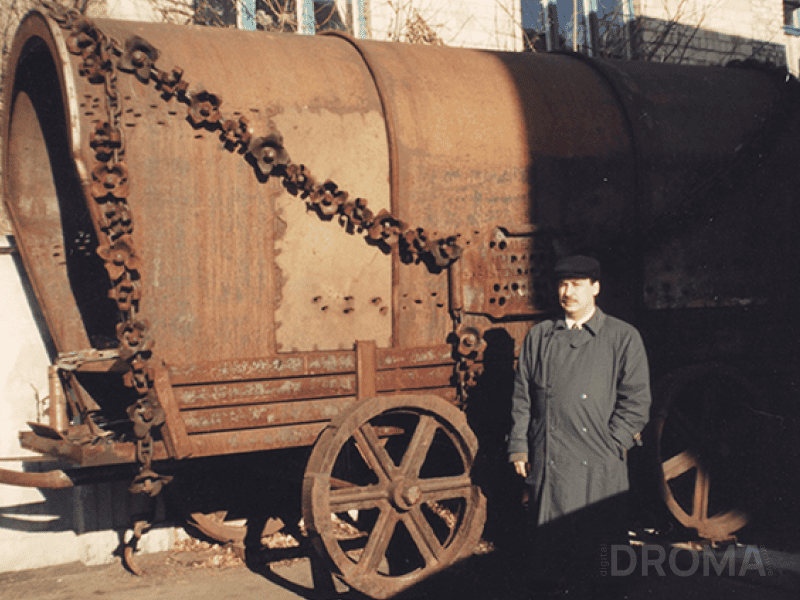
This experience became the impetus for the main project of his life — commemorating the Roma murdered at Babyn Yar. Together with Volodymyr Zolotarenko and other activists, he went through the “seven circles of hell” of bureaucratic obstacles to install a monument. The idea for the monument, in the form of a shot-through Romani wagon, belonged to architect Anatoliy Ihnashchenko, who had Roma origins. After a years-long struggle, thanks to the support of the “Leninska Kuznya” factory collective and a change in the political situation after the Euromaidan, the monument was installed and became a central place of memory for Roma in Ukraine and around the world.
Valeriy Sukhomlyniv is also the author of a Romani language textbook and continues to be one of the most authoritative experts on Roma history and culture in Ukraine.
Photo archive of the Zolotarenko family