Valentyna Zolotarenko
Life dates: 1962 – 2025
City of birth: Kaluga, Russia
Origin: Servitka Roma
Education: Pharmacist
Main areas of activity: human rights protection, preservation of historical memory, educational and cultural-awareness projects, international cooperation, Roma mediation.
Key contribution: co-founder of one of the first Roma non-governmental organizations in Ukraine, “Romanipe”; an active participant in collecting testimonies from Roma genocide victims for compensation payments; a key figure in the long-term struggle to erect a monument to the Roma murdered at Babyn Yar.
Impact: stood at the origins of the modern Roma civil society movement in Ukraine, paving the way for future generations of female activists; facilitated the entry of the Ukrainian Roma movement onto the international stage; through her work, she changed stereotypical perceptions of Roma and the role of women in the community.
“This is not a job, this is my life”
Media
Biographical Information
Valentyna Zolotarenko is one of the key figures in the modern Roma civil society movement in Ukraine. As a representative of the Servitka Roma group, she has dedicated her life to fighting for the rights, culture, and historical memory of the Roma people.
Early Years and Family Heritage
Valentyna was born in the city of Kaluga, Russia, where she lived until she was 17. In 1985, she married Volodymyr Zolotarenko and moved to Kyiv, which she considers her homeland. Valentyna’s family always placed exceptional importance on education. Her parents, who were educated and had respected professions, insisted that she and her sister must study harder than others to overcome stereotypes. Thanks to this, Valentyna became a pharmacist.
The Zolotarenko family history is closely intertwined with the key tragedies of the 20th century. Her paternal grandfather was a blacksmith who moved his family from the Dnipropetrovsk region to Russia in the 1930s to escape the Holodomor. Her maternal grandfather was a literate community leader in the Pereiaslav region, serving as a mediator between the Roma and the authorities. The family also suffered from the Roma genocide during World War II: almost the entire family of her maternal grandmother was shot by the Nazis in the Chernihiv region.
Becoming a Public Figure
Valentyna Zolotarenko’s public activities began at the dawn of Ukraine’s independence in the early 1990s. Together with her husband Volodymyr, who had been concerned about the fate of the Roma people since his youth, she co-founded one of the first Roma organizations in Kyiv — the cultural and educational society “Romanipe.”
The impetus for expanding their activities was meeting the Roma doctor and activist Fedir Andrash, which brought the couple to the international level. Thanks to this, her husband began working at the Open Society Foundations, which allowed them to bring new resources and experience to Ukraine.
Activities and Contributions
The work of Valentyna Zolotarenko and her organization covered several strategic areas. One of the first successful initiatives of “Romanipe” was the creation of free English language courses for Roma children, which opened the path to higher education for them.
A special place in her work is dedicated to preserving the memory of the Roma genocide. Their organization was one of the first in Ukraine to systematically address this issue. In collaboration with the Foundation for Mutual Understanding and Reconciliation and Steven Spielberg’s Shoah Foundation, they carried out a colossal task: over six months, they collected testimonies and questionnaires from victims across Ukraine to receive compensation. This exhaustive work not only helped hundreds of people but also gathered a unique archive of human stories.
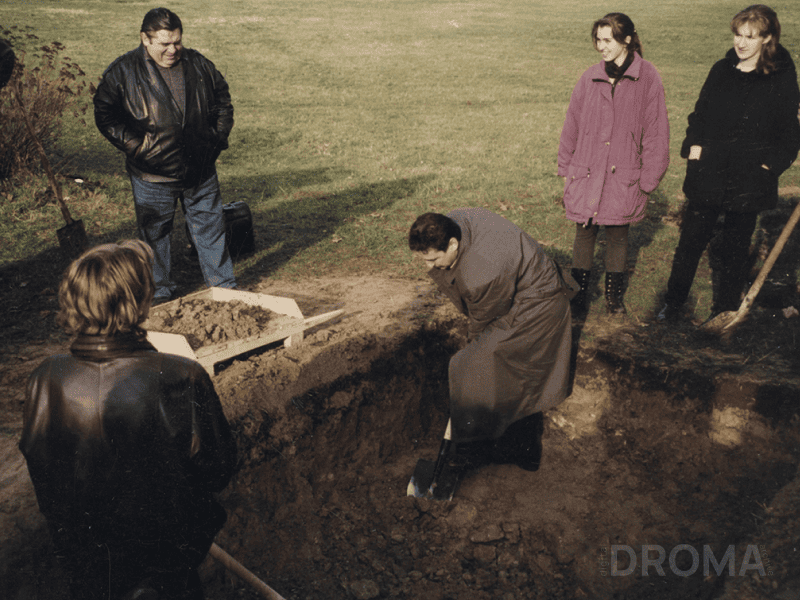
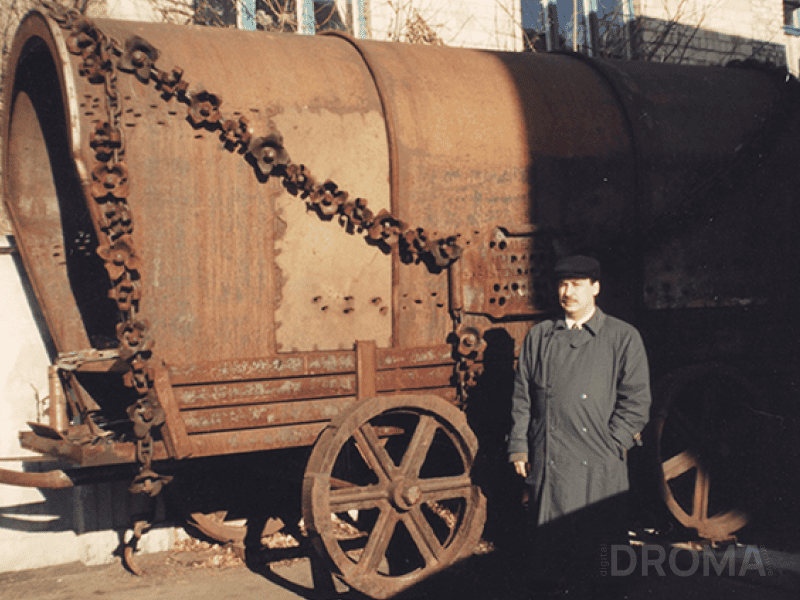
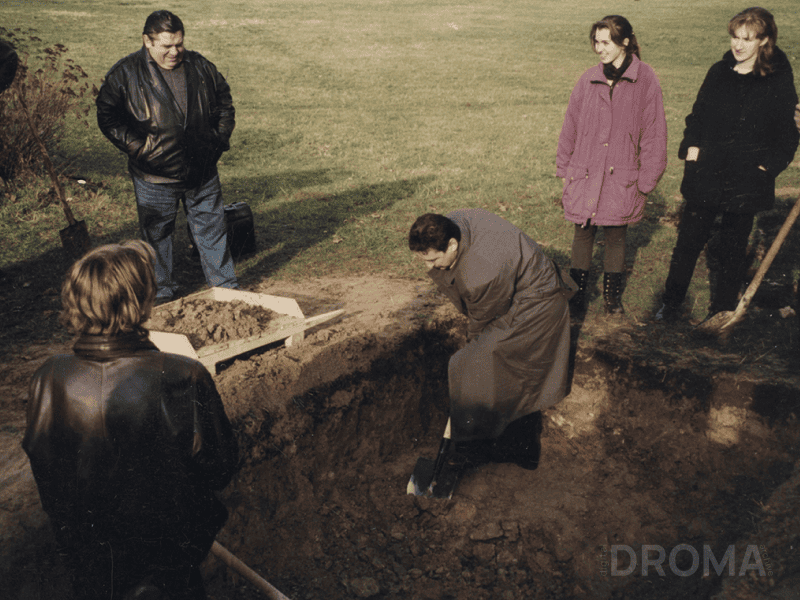
The most significant and long-lasting cause was the struggle to erect a monument to the Roma murdered at Babyn Yar. The idea, born from her husband, turned into a multi-year epic of overcoming bureaucratic obstacles, fundraising, and even the theft and recovery of the already-made monument — a kibitka (Romani wagon) symbolizing a Roma camp. Ultimately, the monument was installed in its rightful place.
For over 15 years, Valentyna Zolotarenko has been working as a mediator at the Roma women’s fund “Chirikli.” She advises young activists to work from the heart, respect traditions, and learn from the people they serve. She consistently considers education to be the main key to a successful future for the Roma community.
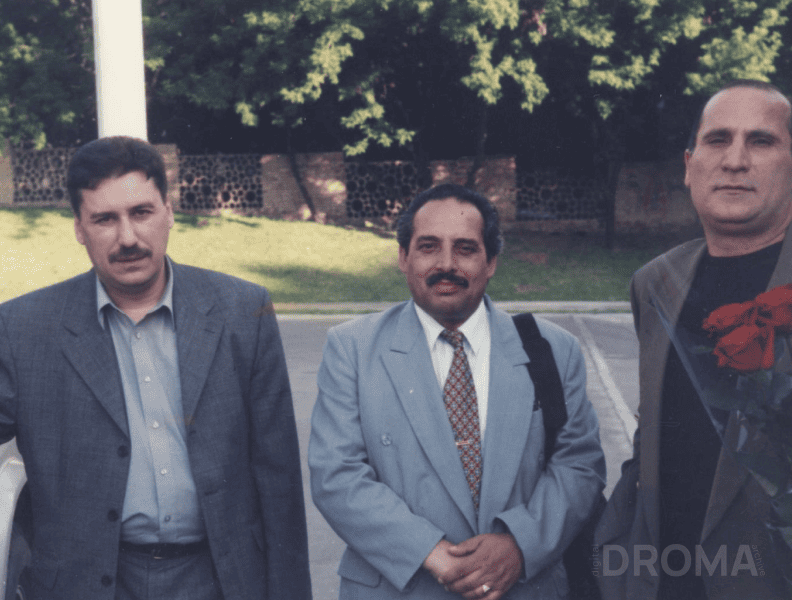
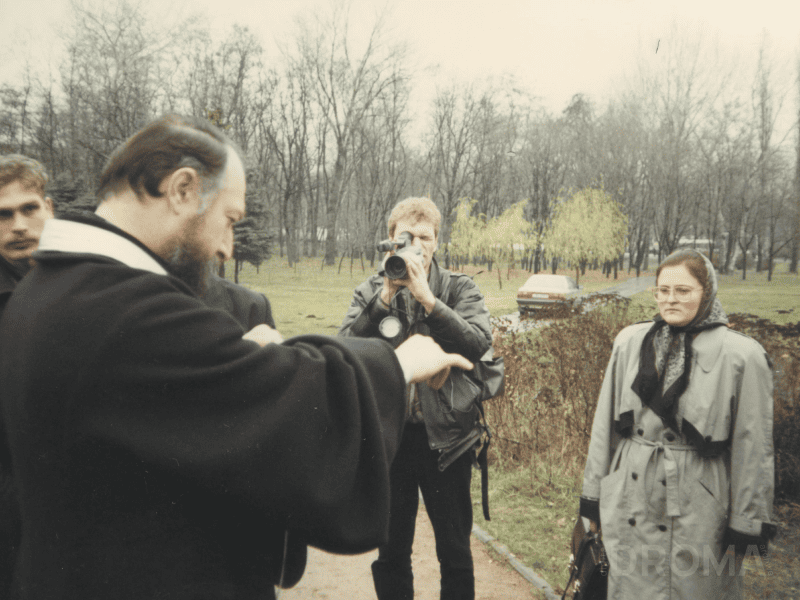
Photo archive of the Zolotarenko family