Artur Ivanenko
Year of birth: 1996
Region: Kherson
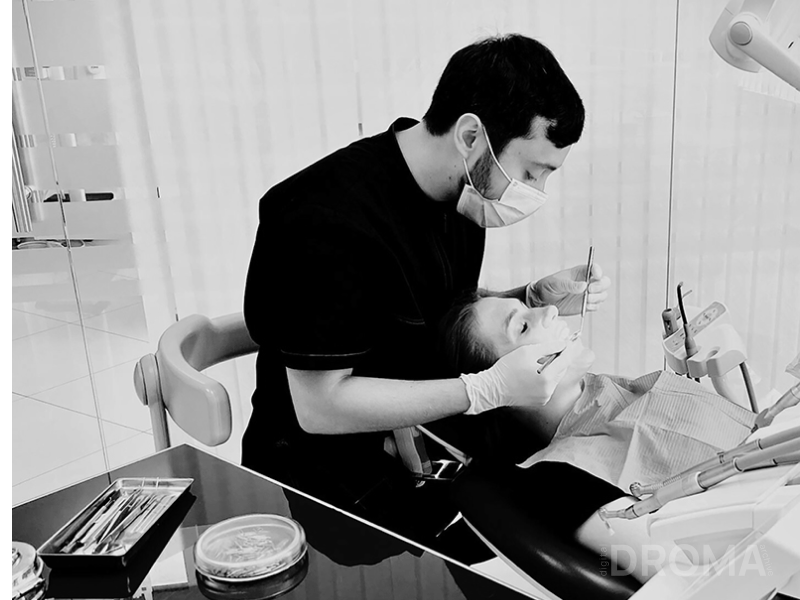
Field of activity: Dental surgeon, public figure, volunteer, policymaker, researcher
“I used to make a five-year plan. But in one day, it all collapsed. And I am afraid to make a clear five-year plan now because no one knows what might happen tomorrow.”
Story of Resistance
Before the full-scale invasion, Artur Ivanenko’s life was full of plans and professional successes. Born in Kherson, he combined public activity with medicine from a young age, obtaining degrees as a dental surgeon and a public administrator. He worked successfully in two clinics, served as a consultant on minority rights, and developed his own Roma youth organization. On February 23, 2022, on the eve of the invasion, he received an offer to head a new, modern clinic — it was the peak of his career aspirations. That same evening, his cousin prophetically asked in a conversation: “What if the war starts tomorrow?”
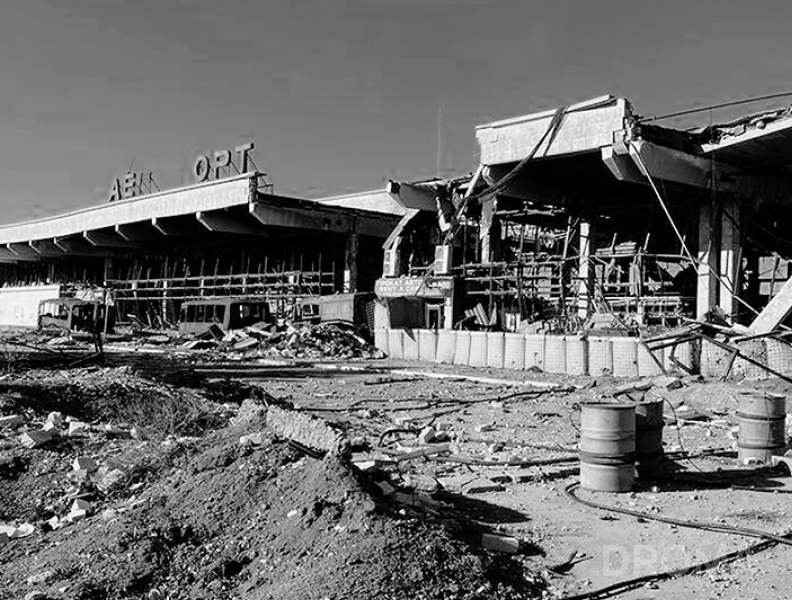
The morning of February 24 began with his mother’s cry, “The war has started!” and a powerful explosion — a strike on the airport in Chornobaivka, just a few kilometers from their home. The realization of the new reality was instantaneous. The Ivanenko home turned into a shelter for nearly 50 relatives and neighbors, who spent the first two weeks in the basement to the sounds of fighter jets, street battles, and shelling. Kherson was occupied within the first few days.
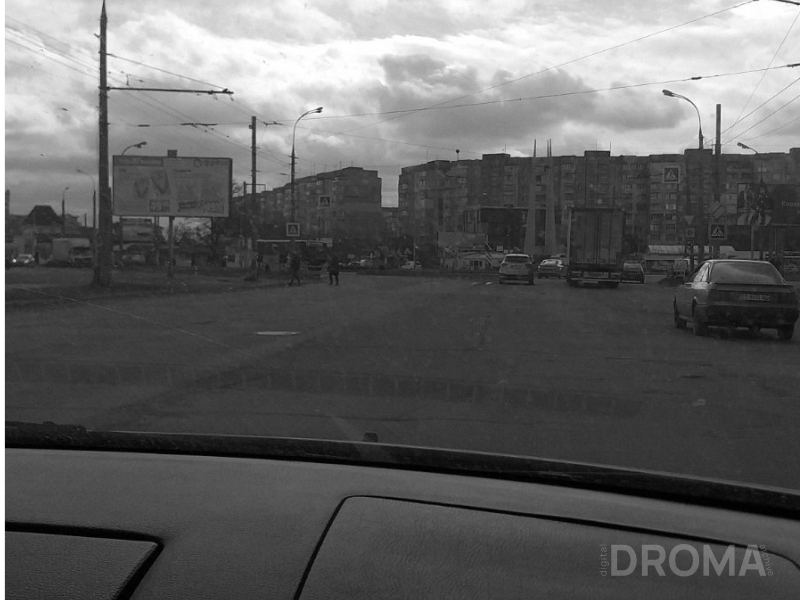
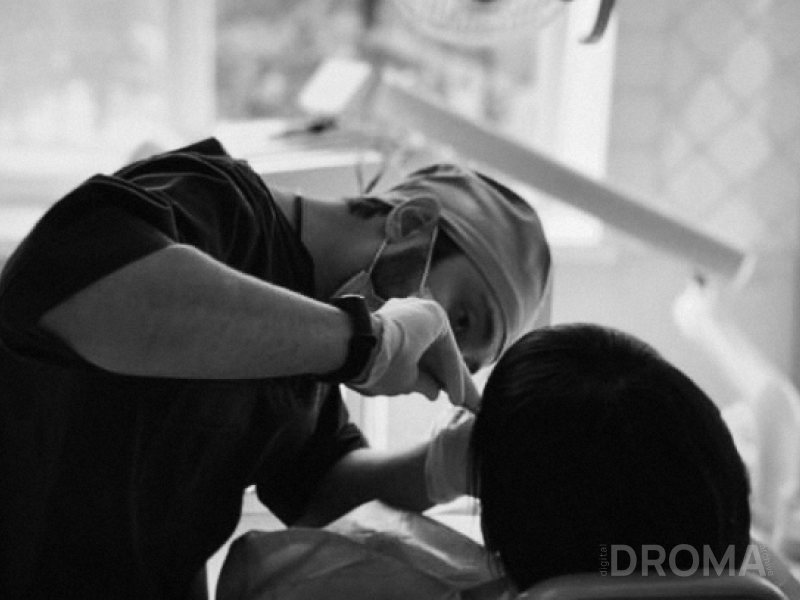
Soon, Artur was forced to return to work at the state clinic. He was one of the few doctors who continued to provide care in the occupied city, walking kilometers to work every day past Russian patrols. He had to endure moments of mortal danger: providing aid to a patient during shelling and treating Russian soldiers at gunpoint.
In parallel with his work, Artur organized humanitarian aid for the Roma community. Facing a severe shortage of medicine in the city, he embarked on a risky trip to occupied Crimea. This journey took him through 17 Russian checkpoints, humiliating searches, interrogations, and the dismissive attitude of the occupiers, who were surprised that a Rom could be a doctor. Upon returning with two suitcases of vital medications, he learned that the clinic’s management had fired him for this volunteer mission.
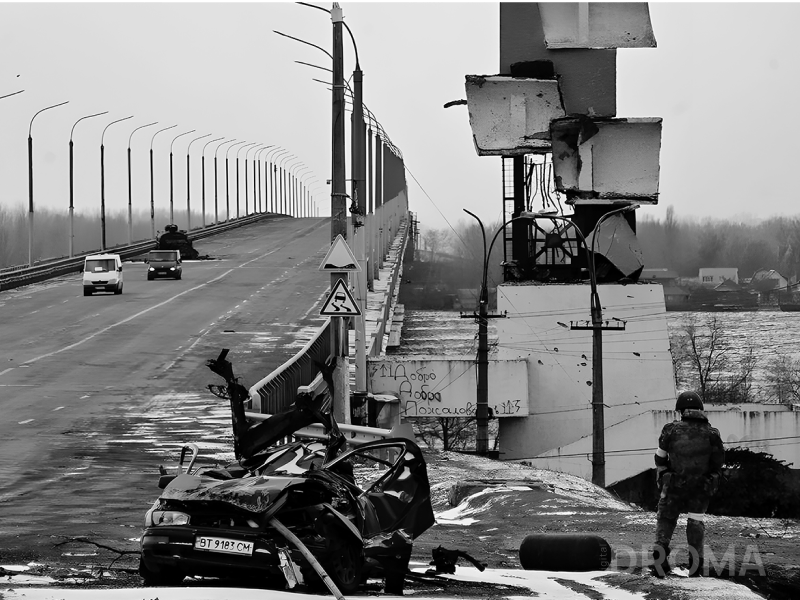
The final straw that forced him to evacuate was the news of a pseudo-referendum and direct threats from the Russian military. His escape journey lasted five days and passed through occupied territories and across all of Russia to Poland, and from there to Germany. After months of hardship in refugee camps, he finally reunited with his family but realized that returning to the dental profession would be extremely difficult. This experience prompted him to temporarily change his career path and enroll in a master’s program at Central European University to adapt to the new reality and continue the fight for his community on an international level.
Photo from personal archive
The Story in Art
This documentary story became the basis for one of the works in the art exhibition “Memory Bridges.”